CTO · Architecture, product & team
Varea
- Built and led the engineering team
- Connected voice AI to transaction workflows
- Built agent and counterparty workspaces
- Developed document configuration and call-debugging tools
- Wrote technical material for a US provisional patent application
The agent talks. The whole deal has to stay in sync.
A real-estate agent can describe a deal in a few sentences. Carrying that conversation through a transaction is a much bigger engineering problem. The property, people, money, documents and next action all have to agree—even as terms change and the agent on the other side gets involved.
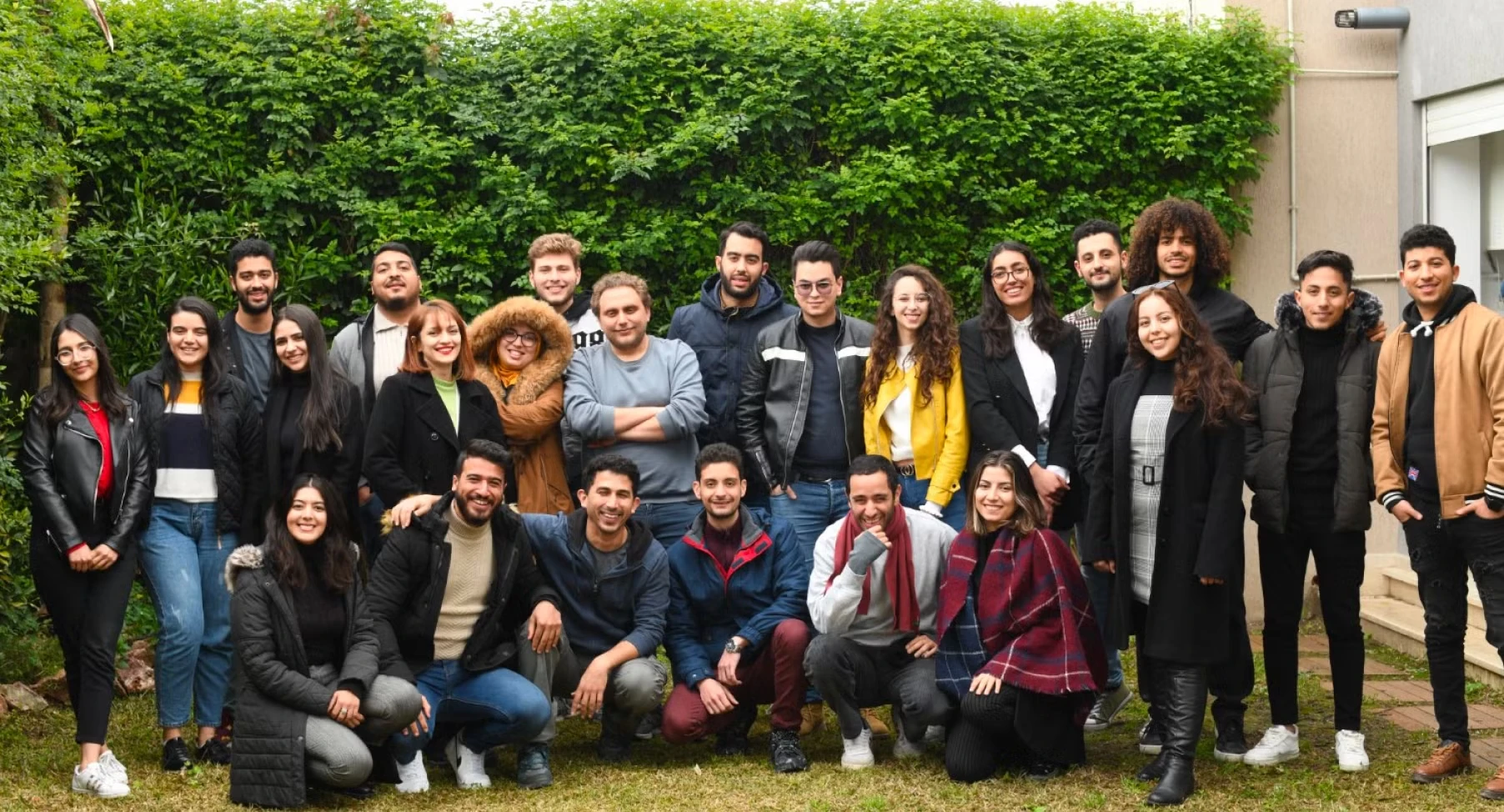
I’m Varea’s CTO. I built the engineering team and lead the technical direction, with hands-on responsibility across the AI, backend and product experience. Together, we took an initial voice prototype into a transaction platform with agent workspaces, connected document workflows and the operational tools behind them.
Making AI work inside the deal.
One answer can contain several facts. A correction can affect the contract, an addendum and what the agent sees next. Property records, contacts and saved preferences can help fill the gaps, but they must not casually overwrite what the agent just said.
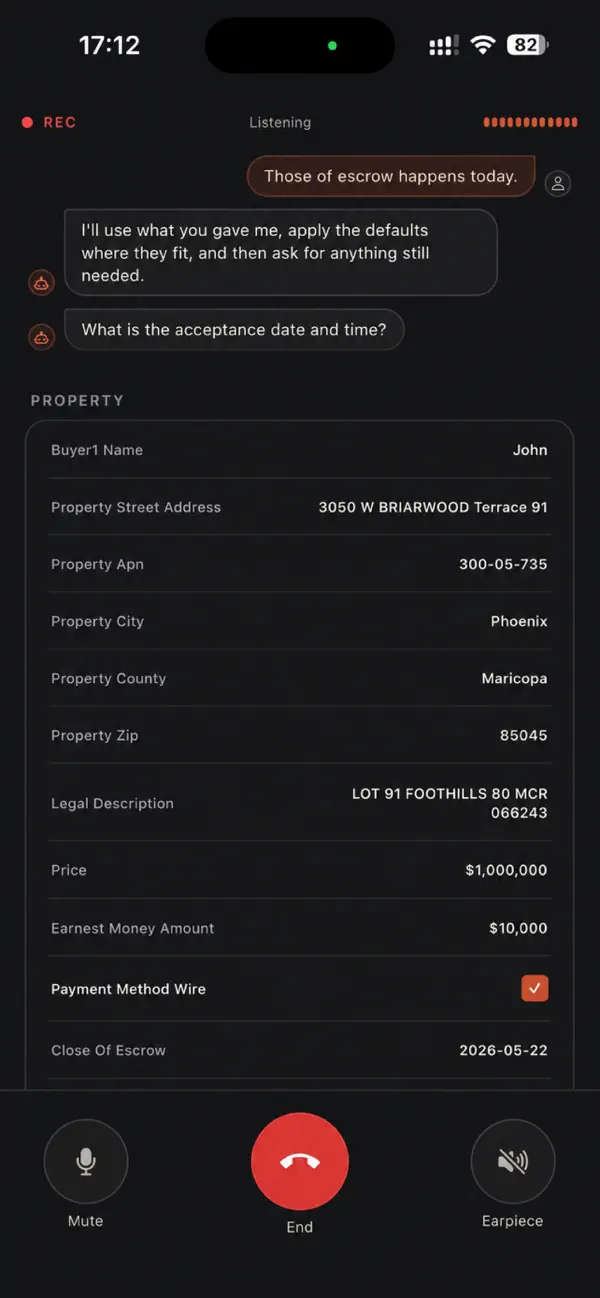
That is where much of my engineering work sits: extracting meaning from conversation, handling corrections and related-document data, and connecting voice actions to saved product state. I work on the transitions too—starting or resuming a deal, moving between documents, reading back terms and handing work over for review or signature.
Several people. Several documents. One transaction.
The platform’s workflow work spans purchase contracts, buyer–broker agreements, listings, clauses and addenda, counteroffers, inspection responses, disclosures and pre-closing walkthroughs. Those journeys have different participants, stages and signing requirements.
We built the agent portal and a scoped workspace for the counterparty agent, alongside document editing, PDF previews and signature integration. The challenge is carrying the right context into each action: which document is being changed, who may change it, which terms are current and what the next person needs to do.
The tools behind the product matter, too.
We also built an admin studio for configuring document templates, fields, prompts, formulas, conditional rules and signer information. That gives the team a way to manage the document system as the product grows.
Call histories, traces and extraction replay make AI behaviour inspectable. The team can investigate what was said, what the system extracted and where a call went wrong. I also turned the product’s complexity into a developer handoff covering workflows, architecture, responsibilities and acceptance scenarios.
My contribution went into the patent application, too.
I wrote the technical overview and worked directly with patent counsel on the architecture description and diagrams. I reviewed the drafts in detail, clarified how the system works, and corrected the technical account so it reflected what we built.
A US provisional patent application covering the system was filed on 9 March 2026. I’m proud that my contribution reached from designing and building the technology to explaining it for the application.
I stay involved in delivery, demonstrations and agent onboarding. I’m proud of the team we built and the system we put around the idea. My responsibility reaches from the conversation an agent has to the software, documents and people that have to act on it.
Inside Varea.
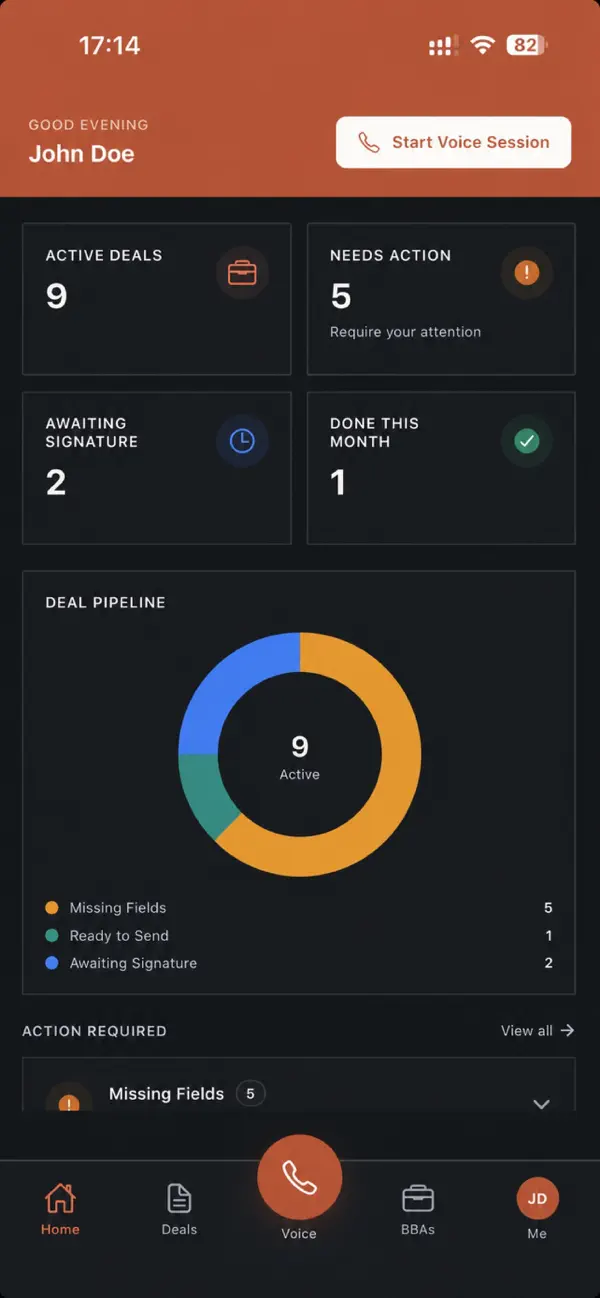
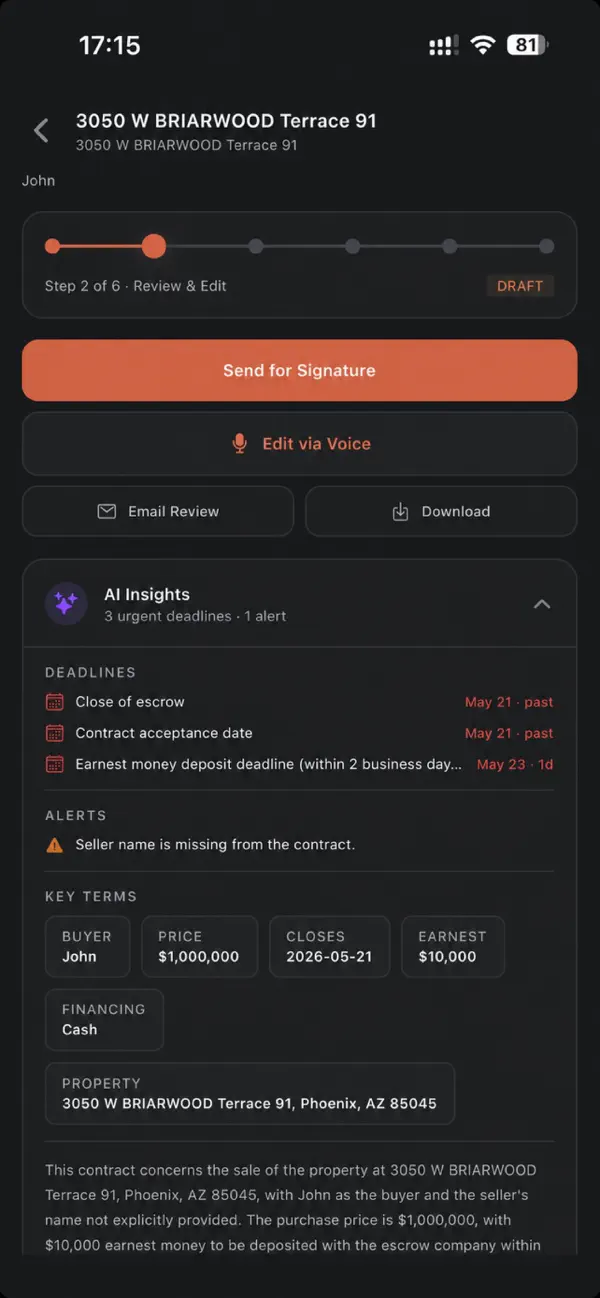
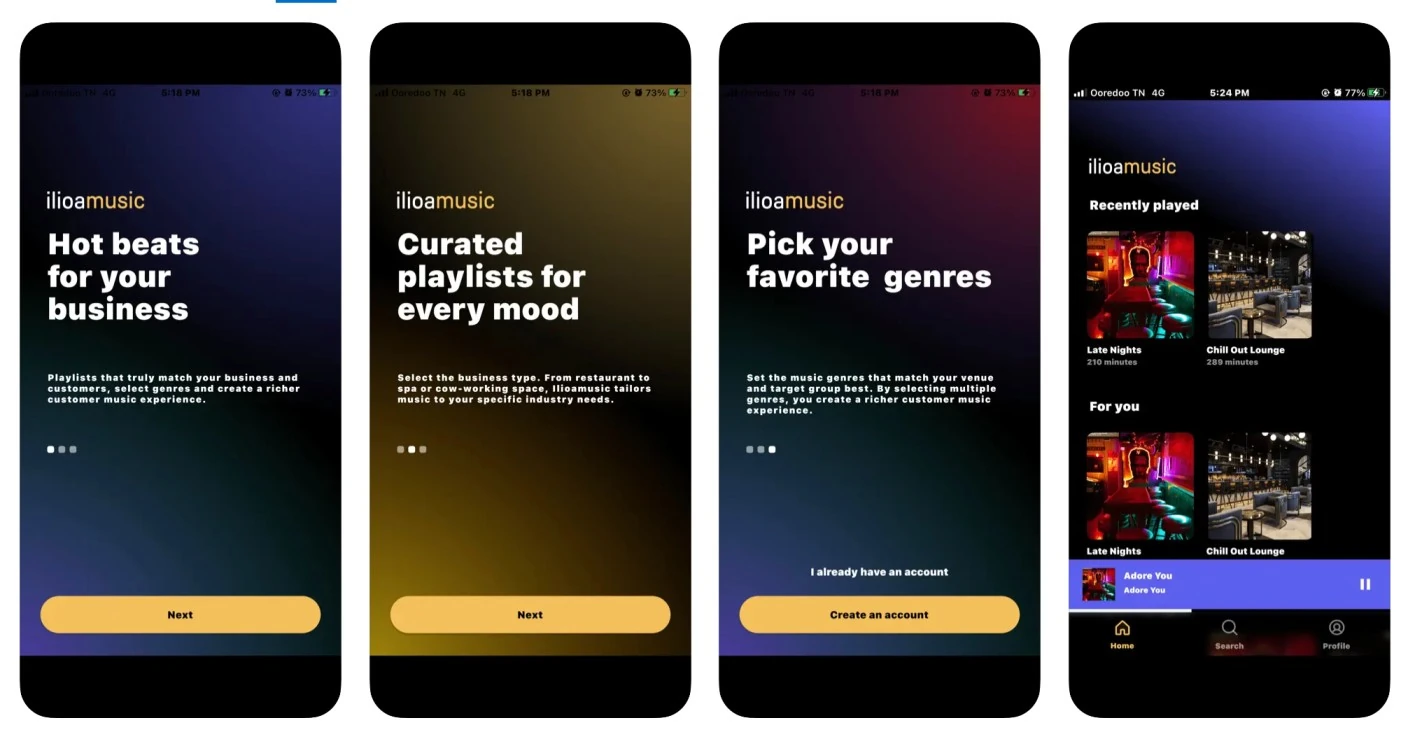
Varea for iOS. Screens from the public App Store listing.
Select a screen to take a closer look.
View on the App Store (opens in a new tab)